by HFFAdmin » Sat May 09, 2026 6:03 pm
Raising rabbits for pets, meat, or show.
Raising rabbits is a rewarding endeavor that provides meat, companionship, and manure for gardening. They are relatively low-maintenance animals that can be raised in small spaces and reach maturity in about 90 days.
Getting Started
Choosing Breeds
Popular Breeds: Consider breeds like New Zealand Whites or Californian rabbits, known for their meat quality and growth rates.
Meat Production
Quick Maturity: Rabbits reach maturity in about 90 days, making them a fast source of meat.
High Yield: A single doe can produce multiple litters each year, with each litter containing 6-8 kits. This can result in a steady supply of meat.
Nutritional Value: Rabbit meat is low in fat and cholesterol, high in protein, and rich in essential vitamins and minerals.
Space and Maintenance
Small Space Requirements: Rabbits can be raised in limited spaces, making them suitable for urban or suburban settings.
Low Maintenance: They are relatively easy to care for, requiring basic housing and regular feeding.
Housing and Care
Housing Requirements
Cage Size: For smaller breeds, cages should be about 2-3 feet long; medium breeds require 4-5 feet; and giant breeds need 6-8 feet.
Ventilation: Ensure cages have good airflow and are protected from extreme weather conditions.
Feeding and Health
Diet: A balanced diet is essential for health and productivity. Fresh hay, pellets, and vegetables are commonly used.
Health Monitoring: Regular checks for signs of illness or distress are important to maintain a healthy rabbitry.
- Attachments
-
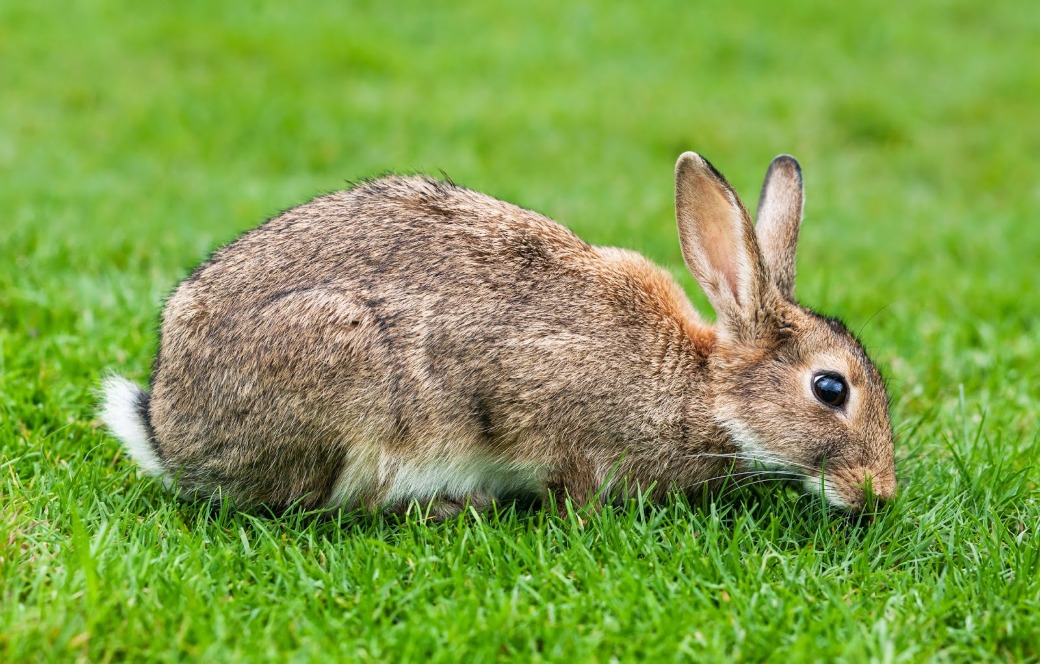
- bffa243b-6bc9-4186-94d8-803e91a19304.jpg (236.16 KiB) Viewed 35 times
[b][i]Raising rabbits for pets, meat, or show.[/i][/b]
Raising rabbits is a rewarding endeavor that provides meat, companionship, and manure for gardening. They are relatively low-maintenance animals that can be raised in small spaces and reach maturity in about 90 days.
[b]Getting Started
Choosing Breeds
Popular Breeds: [/b]Consider breeds like New Zealand Whites or Californian rabbits, known for their meat quality and growth rates.
[b]Meat Production
Quick Maturity:[/b] Rabbits reach maturity in about 90 days, making them a fast source of meat.
[b]High Yield:[/b] A single doe can produce multiple litters each year, with each litter containing 6-8 kits. This can result in a steady supply of meat.
[b]Nutritional Value: [/b]Rabbit meat is low in fat and cholesterol, high in protein, and rich in essential vitamins and minerals.
[b]Space and Maintenance
Small Space Requirements: [/b]Rabbits can be raised in limited spaces, making them suitable for urban or suburban settings.
[b]Low Maintenance: [/b]They are relatively easy to care for, requiring basic housing and regular feeding.
[b]Housing and Care
Housing Requirements
Cage Size: [/b]For smaller breeds, cages should be about 2-3 feet long; medium breeds require 4-5 feet; and giant breeds need 6-8 feet.
[b]Ventilation: [/b]Ensure cages have good airflow and are protected from extreme weather conditions.
[b]Feeding and Health
Diet:[/b] A balanced diet is essential for health and productivity. Fresh hay, pellets, and vegetables are commonly used.
[b]Health Monitoring: [/b]Regular checks for signs of illness or distress are important to maintain a healthy rabbitry.

 2027 Calendar photo contest and
  Forum Posting Challenge
 2027 Calendar photo contest and
  Forum Posting Challenge